
Executive Confidant to Presidents, CEOs, and Senior Leaders
You just stepped into the top seat, or you can see it coming. From the outside, you look steady. Privately, you know something in the organization isn't working, and you want a clear read on the landscape before you make the moves everyone will be watching.




You recently stepped into the top seat, or you're being named in the conversations about who's next.
You came up through one lane, and now you own all of it, including parts of the organization you've never run.
You believe in your organization and want it to grow in influence.
You want a trusted outside perspective before you make the moves everyone will be watching.
Know something's off, even if you can't quite name it yet.
Know exactly what's off, but can't see how the pieces fit together or how to fix it.
Watch decisions that belong three levels down keep landing on your desk.
See a policy written down that every division follows a little differently.
Promote strong people and expect them to hit the ground running in a seat they've never held.
Want to hold people accountable and support them, and right now it feels like you have to pick one.
ABOUT ME
My specialty is making sense of chaos. As an Executive Confidant to presidents, CEOs, and rising senior leaders, I help you connect the dots between what you're seeing, what your people are feeling, and what your organization can actually do.
I've spent 28 years studying and shaping how people and organizations grow. I started in Division I athletic medicine at Dartmouth College and the University of Washington, where I learned to diagnose before I prescribe. Then I spent 17 years as a university professor, watching leadership transitions ripple through every corner of an institution. My PhD from the University of Connecticut is in adult and workplace learning: how people and organizations actually change, not how we wish they would.
I'm a third party who isn't competing with you and isn't angling for your seat. I'm the author of When Operations Meet People and a SHRM speaker.

ABOUT ME
Not long ago, an executive director came to me with what looked like a simple question about one email. Underneath it, her generous team was saying yes to everything, and success was arriving faster than structure. It wasn't a people problem. It was a system problem, and once she could see that, the path forward came into view.


You can feel something's wrong, but can you name where it lives? My ERA Framework helps you see the whole landscape before you act.
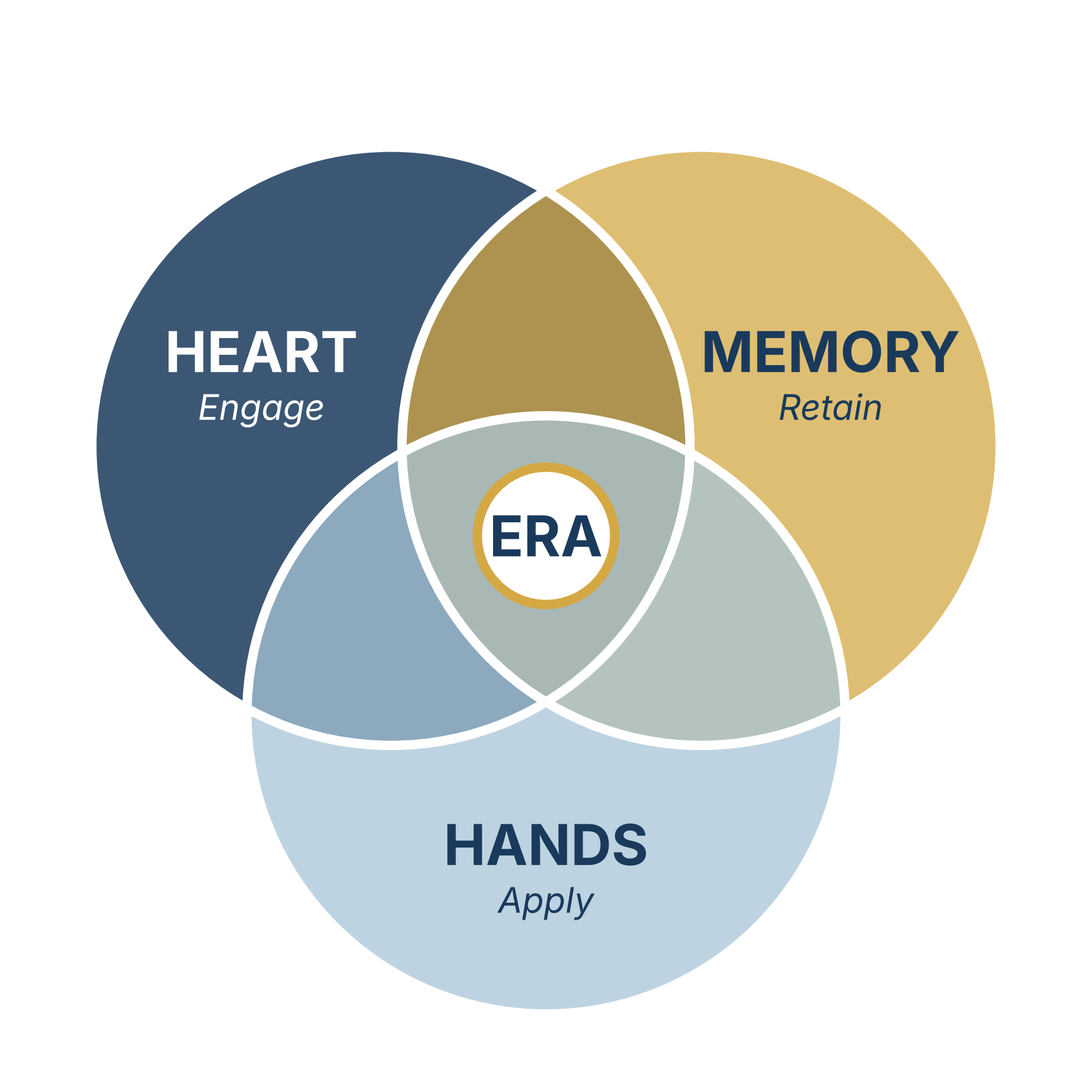
Engage, the heart: Do your people believe in where you're taking them, or are they just following instructions?
Retain, the memory: If your three most essential people walked out tomorrow, what would your organization lose forever?
Apply, the hands: Your people already know what needs to happen. Knowing isn't the gap. Doing is.

Before you decide your people need fixing, look at the system they're working inside. When Operations Meet People walks through the ERA Framework in detail, so you can see whether your organization has the heart, the memory, and the hands to carry where you're taking it.
I'm the trusted outside advisor a senior leader brings in when something in the organization isn't working and they want to see the whole landscape before they act. My specialty is making sense of chaos and helping you connect the dots.
Newly seated presidents and CEOs in their first 6 to 18 months, rising VPs and senior leaders preparing for a larger seat, and executive teams carrying a change initiative that has stalled.
ERA stands for Engage, Retain, Apply: the heart, the memory, and the hands of your organization. It helps us find out whether your people believe in the direction, whether what your organization knows actually sticks, and whether your people can act on it.
Because the top seat is heavy, especially early. McKinsey and LeanIn.Org's 2025 Women in the Workplace report found that 70% of senior-level women who've been at their organizations five years or less frequently feel burned out. And SHRM's 2025 research ranks heavy workloads (47%) and poor leadership (40%) among the top drivers of workplace stress. An outside confidant gives you a place to think clearly, with someone who isn't competing with you.
It's a focused conversation about what you're seeing in your organization. Together we start to name where the problem lives, in the heart, the memory, or the hands, and talk through what a good next step looks like.
Yes. I facilitate the ERA diagnostic with executive teams so everyone sees the same landscape and agrees on where to start. I also deliver keynotes: When Operations Meet People in [Your Industry] and [Your Organization]'s New E.R.A. in People Development.

Executive Confidant to presidents, CEOs, and senior leaders. I help you make sense of what's off and see the path forward.
