
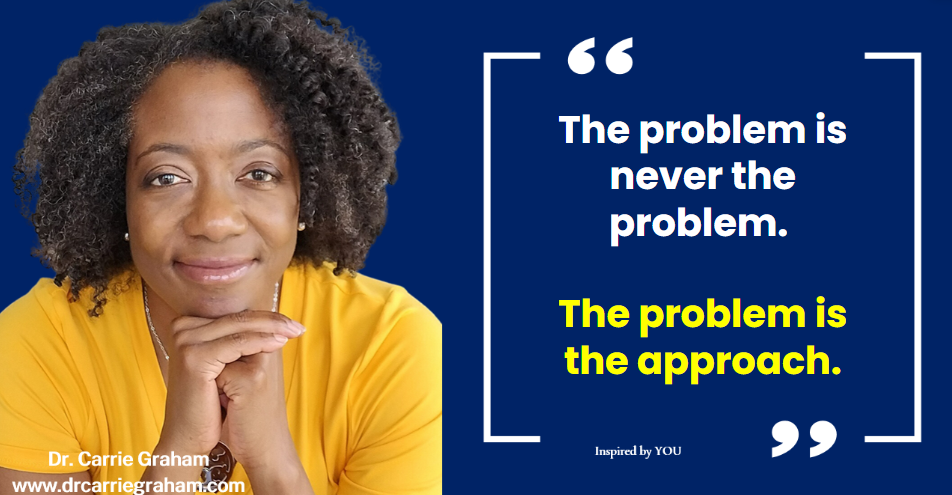
Your operations are stalling because your team can't apply what they learned. Customer complaints pile up from the same recurring errors. Your onboarding timeline keeps stretching longer while you personally step in to fix what trained employees should already know. And meanwhile, you're spending more hours each week teaching the same concepts over and over.
The issue isn't that your people aren't learning. The issue is that your training isn't designed to improve how work gets done. When training connects directly to daily operations, your team executes faster, makes fewer costly mistakes, and requires less hands-on oversight from you. That's when your business actually runs smoother.
Only 40% of companies say their learning strategy is aligned with business goals. That misalignment shows up in your operations every day: customer service issues that repeat monthly, quality control failures that trained employees should catch, and processes that break down the moment someone new touches them. When training isn't tied to operational outcomes, you're not building capability—you're just running sessions.
I work with leaders who recognize their business is being held back. They have expertise, they have processes, they might even have training materials. What they don't have is a systematic way to transfer knowledge so their operations improve and their own time frees up.
The Leaders I Work With
The consultants, founders, executive directors, and coaches I partner with share something important: they need their training to directly improve business operations without adding more hours to their week as the trainer.
+ CEOs come to me when their teams aren't executing at the level the business requires. One CEO of a 50-person professional services firm was losing clients because project delivery was inconsistent. Some teams excelled, others struggled with the same workflows. She had hired talented people, but knowledge wasn't transferring systematically. We built a training system that moved her firm's best practices from institutional knowledge into structured learning. Six months later, project success rates increased 35%, client retention improved, and she stopped being the person everyone called when something went wrong.
"The training program is a huge improvement over how we conducted training in the past. Our new hire started 3 weeks ago and is currently in the advanced beginner phase." — Kate F.
+ Founders reach out when their business is growing but they're stuck in every training session because there's no system. One founder was spending 15 hours per new hire doing shadowing sessions, which meant she couldn't focus on vision or strategy. Her team of 20 was about to double, and she knew she couldn't scale this way. We built an onboarding system that got new hires operational in six weeks without her direct involvement. She reclaimed 60 hours per month, and her new employees were performing better because the training was structured around actual job tasks, not just observation.
+ Executive Directors are often responsible for getting people operational quickly, but they don't have instructional design experience. I worked with a medical practice coordinator whose front desk errors were costing the practice thousands in denied insurance claims. She had created a detailed manual and spent three hours per week retraining staff on the same procedures. We transformed her manual into a phased learning system with practice scenarios that mimicked real patient situations. Error rates dropped 40 percent within three months, and she cut her retraining time to 30 minutes per week because employees were applying procedures correctly from the start.
"Carrie helped me focus and find the red thread between my key teaching points and the 'homework' part of my course." — Sarah L.
+ Consultants with vetted frameworks know their content works, but their clients struggle to implement it in daily operations. One leadership coach had a powerful model for team dynamics, but participants would leave her workshops energized, then return to their teams where nothing changed. We redesigned the program so leaders practiced applying the framework to their actual operational challenges—real conflicts, real decisions, real team issues. Her client retention jumped from 60% to 92% because leadership teams saw tangible improvements in how work got done, not just better meeting discussions.
"I got so much out of our hour together! You gave me actionable steps to take my program better and increase engagement during group calls." — Cheryl P.
What Changes When We Work Together
The shift happens when training stops being another item on your to-do list and starts directly improving how your business operates. Research shows that 57% of employees pursue learning opportunities independently, driven by a genuine desire to develop skills. Your people want to perform well. What they need is training that shows them exactly how to apply new knowledge to the work they do every day, without you having to constantly step in and reteach.
When we work together, your training becomes an operational asset, not a time drain. You gain clarity on what competencies drive performance in your business, not just what topics sound important. You build training that produces employees who can execute independently, which means fewer errors, faster resolution times, and less of your personal time spent putting out fires.
You also gain leverage. Your training system becomes something others can facilitate, so you're not the bottleneck. Your operational knowledge transfers consistently, so quality doesn't depend on which team member happened to train someone. And your business can scale because you have infrastructure that works whether you're training 5 people or 50.
"Highly supportive! Even though I learned so much, you reminded me that my hunches are right and that I know a lot about adult learning methodology. The world needs more of you! You are a calming and supportive expert with a terrific sense of humor. You helped me knock this training with my new client out of the park." — Loren M.
The Results That Matter
The leaders who get the best results from working with me share three characteristics: they prioritize operational outcomes over training activity, they're willing to restructure how knowledge transfers in their business, and they're committed to building systems that work without their constant involvement.
They don't just want training that looks professional or covers all the topics. They want operations that run smoother because employees can execute correctly without supervision. They want reduced error rates that directly impact their bottom line. They want faster time-to-productivity for new hires so they can focus on growing the business, not repeatedly training the same fundamentals.
This isn't about creating the perfect training program. It's about building training that makes your business work better while taking less of your time. It's about transferring your expertise in ways that improve daily operations, not just in ways that feel comprehensive. It's about developing capability in your team so your business performs consistently whether you're in the room or not.
"Dr. Carrie Graham helped me design and execute my first online program for adult learners. It was a 6-week virtual training program and I have absolutely no idea what I would have done without her wisdom and advice! She cares deeply about you succeeding and gives you 110% of her attention and thoughtful counsel throughout the process. If you want your course to succeed, PLEASE do yourself the kindness of hiring her!" — Maggie B.
What to Do Next
If you're reading this and thinking about your own operational challenges, start by asking yourself one question: What would change in your business if people consistently applied what you trained them to do?
Would customer issues resolve on first contact instead of escalating to you? Would new hires become productive in weeks instead of months? Would you stop redoing work that trained employees should handle? Would your operations run smoothly when you're not personally overseeing every detail?
Whatever your answer, that operational improvement is achievable. It requires training designed around business outcomes and adult learning principles, not just content coverage. And it requires a system that works without consuming more of your time as the trainer.
Take the Training Assessment Quiz to identify exactly where your training is disconnected from operational results. It takes less than five minutes, and you'll receive a customized report with specific recommendations for aligning your training with business outcomes. No sales pitch, just practical guidance based on 28 years of experience helping leaders build training that improves operations and frees up their time.
___
Subscribe to get training and development insights that connect to real business outcomes—not just completion rates. Join here
.png)
